
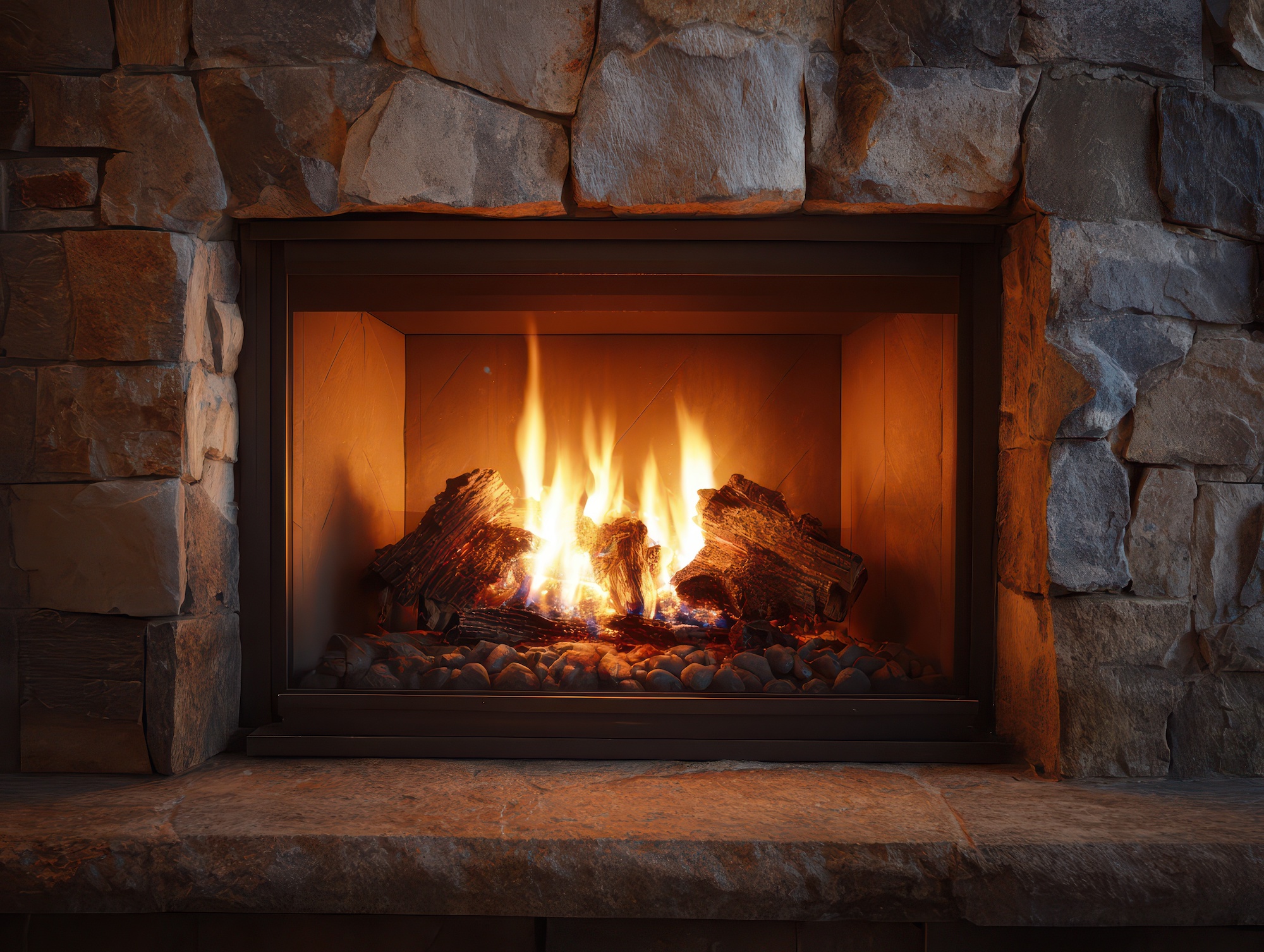
Explore 5 Benefits of Upgrading to Fireplace Inserts
Upgrading to fireplace inserts offers several benefits, including a dramatic boost in heat efficiency, cost savings, and enhanced safety with sealed units. Fireplace inserts are not only easy to maintain, but they also provide a cost-efficient aesthetic upgrade.
Fireplaces are a highly sought-after amenity for many homebuyers, with 77% stating they would pay more for a home with one, according to Redfin. However, despite the appeal of cozy fires when temperatures dip, rising energy costs may be a deterrent.
Opting for a fireplace insert instead of a traditional fireplace may be the best solution to avoid higher heating bills. Fireplace inserts are sealed units that fit into existing fireboxes, transforming inefficient, drafty masonry fireplaces into powerful heat sources for your home, while reducing energy waste and emissions.
Upgrading to a fireplace insert offers significant advantages for homeowners. It is a low-maintenance, cost-effective alternative that seamlessly bridges the gap between traditional aesthetics and modern preferences for convenient, visually appealing decor with a low environmental impact.
What Does a Fireplace Insert Do?
Fireplace inserts, when installed in existing fireplaces, dramatically improve heat output and energy efficiency. They function like a wood stove, often with a blower and glass door, burning fuel such as wood, gas, or pellets more cleanly and safely while directing more warmth into a room and not up the chimney.
What Are the Benefits of Fireplace Inserts?
Fireplace inserts are becoming popular as homeowners seek more energy-efficient heating. Technological advances, including low-emission, easy-to-use models, have contributed to this over the years. If you’re considering an upgrade, here are five key benefits to keep in mind:
1. Energy Efficiency
The Environmental Protection Agency (EPA) states that more than 90% of the heat from traditional fireplaces escapes up the chimney, reducing heated air in a room. Fireplace inserts seal off drafts, retaining up to 90% more heat compared to open fireplaces. Here are the energy-efficient ratings for some models:
- Pellet Fireplace Inserts: Clean-burning, sustainable fuel that is often over 85% efficient
- Gas Fireplace Inserts: Easy to use, clean burning with 75% to 80% efficiency, but direct-vent models can be even more efficient
- Wood-Burning Inserts: Replicate the traditional fireplace experience with high-end models reaching over 80% efficiency
High ratings for these models reduce reliance on central heating. However, opt for models with EPA certification, which ensure clean burning and high efficiency for optimal performance.
2. Cost Savings
The sealed doors of fireplace inserts prevent heat loss both during use and when not in use. This, along with the reduced fuel consumption, results in lower heating bills. The installation of inserts typically does not require costly chimney modifications, making them one of the most cost-effective heating solutions.
The long-term cost savings of inserts compared to traditional setups will depend on usage, but they are generally as follows:
- Electric Inserts: Lower upfront costs, but may have higher operational maintenance and electricity use
- Gas Inserts: Typically come with higher initial costs, but may lead to lower operational costs in the long run
- Traditional Wood Fireplaces: Low upfront cost, but the highest long-term costs due to wood, labor, and issues related to energy inefficiency or lack of performance
Key factors to consider when deciding which option is best for your home include:
- Usage
- Energy prices
- Maintenance
- Efficiency
3. Enhanced Safety
The sealed glass doors of fireplace inserts contain flames, sparks, and embers, making them safer for homes. Their advanced venting directs smoke up the chimney, preventing spills and contact burns, which is crucial for children or pets, who might get too close. These systems comply with modern safety standards, providing enhanced protection by:
- Cutting oxygen to help extinguish fires faster
- Offering continuous protection
- Having locking handles for extra security
Less creosote buildup ensures fewer chimney fires. Inserts minimize safety risks significantly compared to open hearths.
4. Low Maintenance
Open fireplaces allow heat to escape up the chimney, while fireplace inserts create a sealed combustion system. This results in:
- Longer burn times
- Fewer logs
- Reduced ash or soot buildup
Cleaning is easier due to less ash and soot. You may still need to vacuum and scrub the firebox, as well as clean the glass. It might be best to consider professional help for complex models or those requiring deep creosote removal.
5. Aesthetic Appeal
Contemporary fireplace inserts seamlessly blend with modern home decor, refreshing outdated fireplaces. Stylish and customizable designs, from rustic to sleek, are available in various fuel types, including:
- Wood
- Gas
- Pellet
Upgrading your home’s look is easy by fitting an insert into existing masonry without major renovations.
Home inserts not only enhance room decor but can also increase your home’s resale value, according to iBuyer.com, as homebuyers are attracted to energy-efficient upgrades. Although fireplace installation tips may make a DIY upgrade tempting, it’s best to contact a professional to ensure it is done correctly.
Frequently Asked Questions
Can I Convert My Existing Fireplace to Use an Insert?
You can convert your existing fireplace to use an insert. It is a popular way to increase efficiency and convenience by fitting a self-contained unit into your old firebox and connecting it to a new chimney liner for safe venting, making it a functional heating source. The retrofit improves heat output, reduces energy loss, and covers up an unattractive old fireplace.
What Is the Life Expectancy of a Fireplace Insert?
The life expectancy of a fireplace insert varies by type, but generally ranges from 10 to 25 years. Wood-burning units, especially cast iron, often last from 15 to over 20 years, while gas units typically last 15 to 20 years. Electric inserts can last 10 to 20 years, with high-quality models lasting beyond that. The life expectancy of any unit depends on usage, material quality, and annual maintenance, including cleaning and inspections.
Enhance Your Home’s Comfort and Style
Fireplace inserts are cost-effective, energy-efficient, safe, and low-maintenance when compared to traditional fireplaces. These customizable alternatives can also transform your living space, regardless of your home’s design. However, to ensure you enjoy all these benefits, consult a professional to ensure your insert is installed correctly.
Fireplace World can help you find the perfect fireplace for your home, including customized options designed by our in-house masons. We’ll not only install and set up your insert, but also help you maintain it so you can enjoy a cozy, toasty space all season.
Let us help you make your dream of a stunning new fireplace a reality – request a quote today!